
Young People & Mental Health | World Mental Health Day
- Oct 10, 2018
- 3 min read
So I’ve already outlined my situation concerning mental health earlier this year, but today is World Mental Health Day under the theme ‘Young People and Mental Health’ I’m not too sure what to do with this Blog Post, since I’ve already told my story but I know I want to help somebody to get help, or even help a parent to understand what their child is going through. In the formative years of 10-19, an adolescent’s brain is developing and growing. Most adolescents have good mental health, but social changes, physical and emotional changes, exposure to abuse or violence can have a huge toll on the developing adolescent brain. In short, adolescents are the most vulnerable to mental illness. Worldwide, an estimated 10-20% of all adolescents have problems with their mental health; and suicide is the third leading cause of death in people ages 14-19. A mental illness may be overlooked, maybe because of that person’s home situation, the stigma around mental illness, or just their parents’ lack of knowledge in the area.
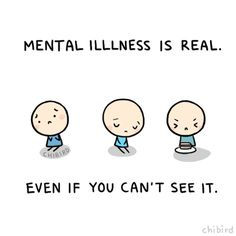
photo from give.camh.ca
So here is a crash course for you, the reader, in the most common mental illnesses that adolescents have. However, I have to mention that I am nowhere near a professional, and I am not encouraging anyone to diagnose others or to self-diagnose. Seeing a professional is the only way to know for sure if you have a mental health disorder. So, we good? Good. Emotional Disorders, such as depression, bipolar disorder, anxiety and others, are the most common. These disorders usually manifest in unsolicited anger, frustration or excessive irritability. There are some overlap in symptoms across multiple emotional disorders, unexpected change in mood and emotional outbursts are usually telling signs of an emotional disorder. Emotional disorders can seriously mess with someone’s livelihood. Younger Adolescents usually develop physical responses to their emotional disorders, nausea, headaches or stomachaches. Older teens usually find themselves less motivated and unwilling to do things that they used to find fun. Emotional disorders can affect schoolwork and can cause the person to withdraw from their family and friends. At their worse, an emotional disorder can drive someone to suicide.

photo from theflawedones.com
Now, emotional disorders are dangerous, but Eating Disorders physically kill you. Bulimia Nervosa and Anorexia Nervosa. Being Bulimic or Anorexic is not “a way you look” because everyone has a different body type and their eating disorder may not show on their body. Eating Disorders are characterized by their preoccupation with food, body weight, body shape or some combination of those. Behaviors such as eating too little, eating too much, excessive exercise and forcibly vomiting are symptoms of eating disorders. Eating disorders also usually pair themselves with an emotional disorder. So they come with feelings of worthlessness, guilt, frustration and irritability. Many times eating disorders go undetected because people who have them are good at making it seem like they’ve eaten more than they have. It’s an unhealthy relationship with food, and it’s dangerous because the people who have these aren’t getting the right sustenance, and it causes all kinds of health problems. Also, both men and women can have an eating disorder, though it is more common in women.

photo from healthcollective.in
Behavioral Disorders are also common, however these are more common in children. Childhood Behavior Disorders like conduct disorder, or attention deficit hyperactive disorder (ADHD) can also affect the way an adolescent grows and matures. Again, these are often missed as a child is growing up because parents just believe that their children just need more discipline to stop being so hyperactive. Okay, I think that’s enough bad explanation from me. I sorta just rambled in this post. I in no way did a “great” job at giving a general overview of these disorders, I just wanted people to know about them and kind of understand these disorders more than they already don’t. I also want to encourage those who think they have one of these disorders to go to a psychiatrist and just get your mental health checked out. Because self-diagnosis is not a good form of coping.

photo from ebpcooh.org.uk
I’ll leave links so you can get information for yourself below. Sorry for the long and ramble-y blog post. Mental health awareness is just really important to me and I wanted to do a blog post about it. Thanks for Clicking, Chey❤️


Comments